Hemlock Removal in Philadelphia, PA
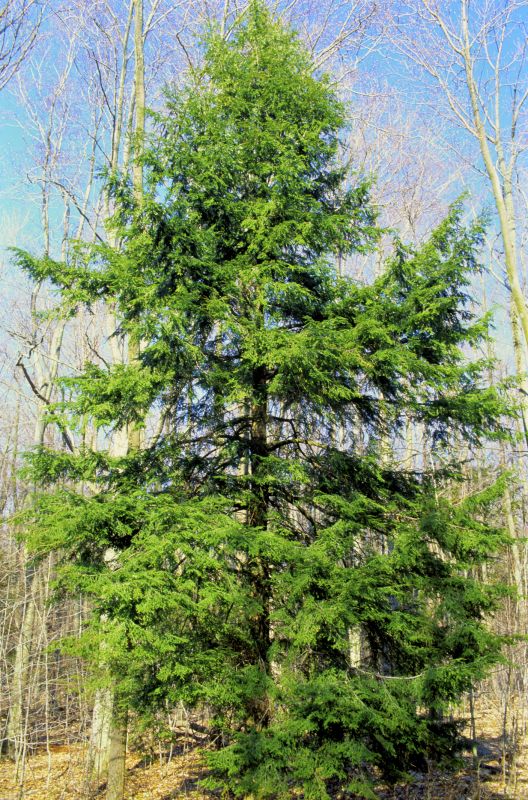
Hemlock removal services involve safely and effectively eliminating hemlock trees from residential and commercial properties. This process is often requested for projects such as clearing overgrown areas, preventing the spread of pests or diseases, removing hazardous trees near structures, or improving overall landscape aesthetics. Property owners typically want to understand the scope of removal, including whether the entire tree or just specific parts need to be taken out, as well as any potential impacts on the surrounding environment or landscape. Clarifying these details helps in planning the project and ensuring the desired results are achieved.
Before requesting hemlock removal, property owners should consider factors like the size and location of the trees, proximity to buildings or utility lines, and any local regulations or permits that may be required. It’s also important to understand the potential effects of removal on the landscape and whether any additional services, such as stump grinding or replanting, might be recommended. Having a clear idea of the goals for the property and the condition of the trees can help ensure the removal process is safe, efficient, and aligned with long-term property maintenance plans.
Many property owners in Philadelphia, PA look into Hemlock Removal for repairs, replacements, upgrades, and appearance-related improvements.
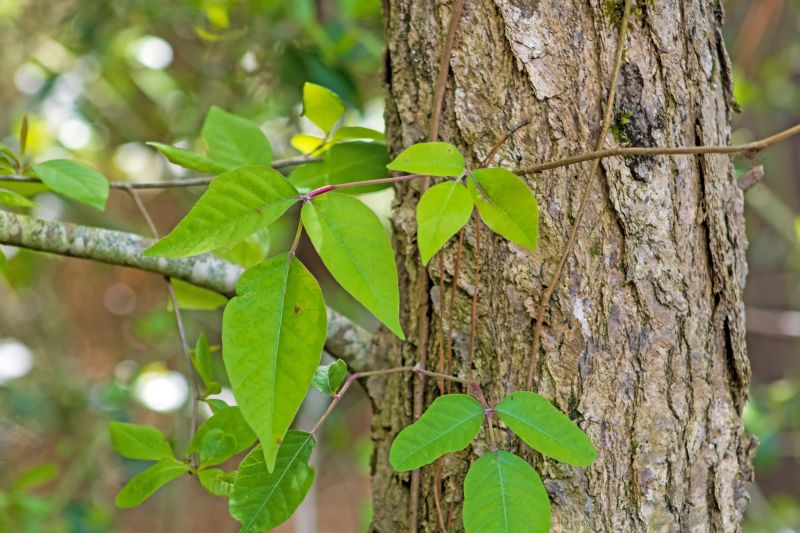
Hazardous Hemlocks Removal
Removing diseased or damaged hemlocks can help prevent safety risks on your property.
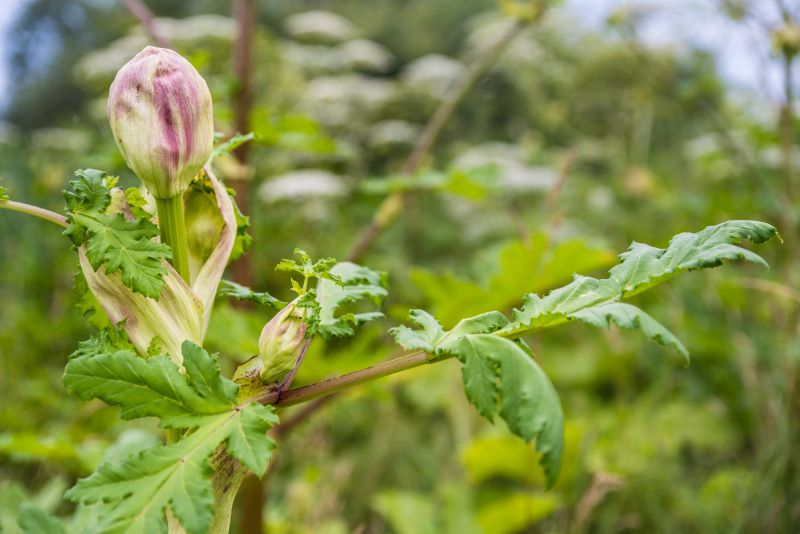
Property Enhancement With Hemlock Removal
Clearing out overgrown hemlocks can improve the appearance and accessibility of your landscape.
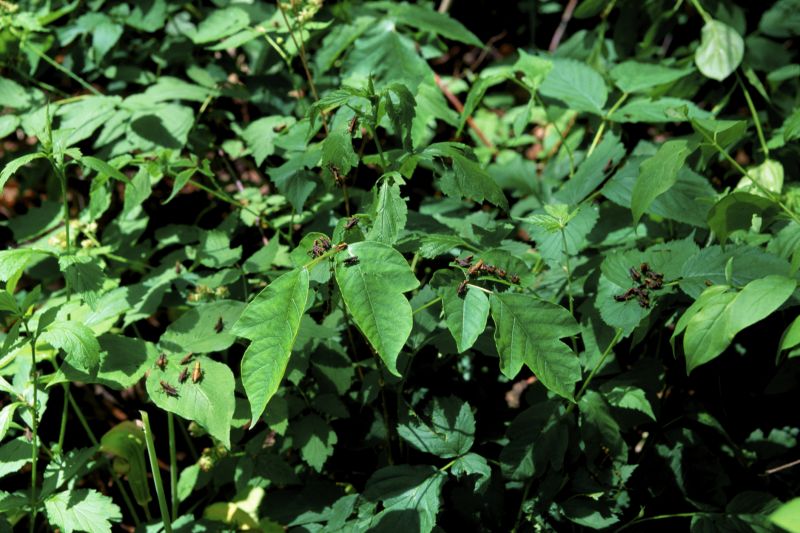
Healthier Landscape Management
Removing problematic hemlocks supports the overall health and growth of surrounding plants and trees.
Hemlock Removal in Philadelphia, PA
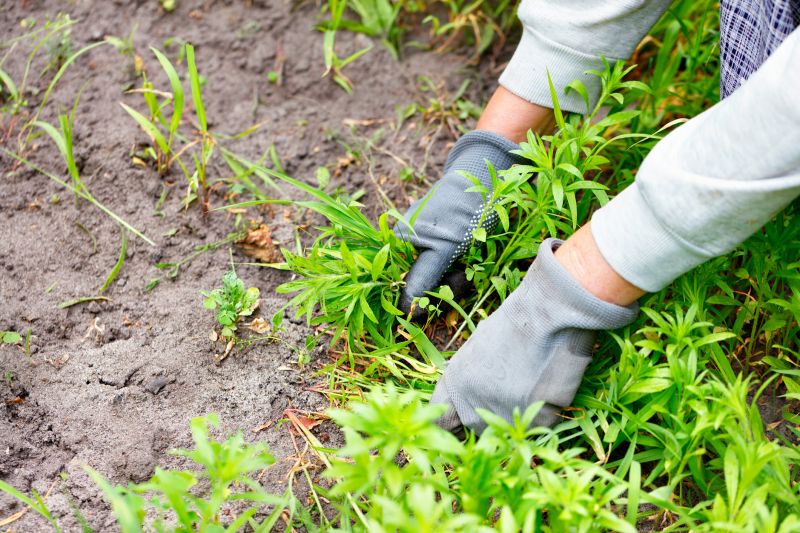
Hemlock removal services involve safely and effectively eliminating hemlock trees from residential and commercial properties. This process is often requested for projects such as clearing overgrown areas, preventing the spread of pests or diseases, removing hazardous trees near structures, or improving overall landscape aesthetics. Property owners typically want to understand the scope of removal, including whether the entire tree or just specific parts need to be taken out, as well as any potential impacts on the surrounding environment or landscape. Clarifying these details helps in planning the project and ensuring the desired results are achieved.
Before requesting hemlock removal, property owners should consider factors like the size and location of the trees, proximity to buildings or utility lines, and any local regulations or permits that may be required. It’s also important to understand the potential effects of removal on the landscape and whether any additional services, such as stump grinding or replanting, might be recommended. Having a clear idea of the goals for the property and the condition of the trees can help ensure the removal process is safe, efficient, and aligned with long-term property maintenance plans.
Many property owners in Philadelphia, PA look into Hemlock Removal for repairs, replacements, upgrades, and appearance-related improvements.
Common Hemlock Removal Jobs
Hemlock removal - safely eliminates hazardous trees to protect property and landscape.
Invasive species removal - clears out hemlocks that threaten native plant health.
Tree thinning and pruning - reduces hemlock density to improve safety and growth.
Stump grinding - removes remaining roots for a clean and safe yard.
Property clearing - prepares land for new landscaping or development projects.
Emergency tree removal - addresses storm-damaged or fallen hemlocks promptly.
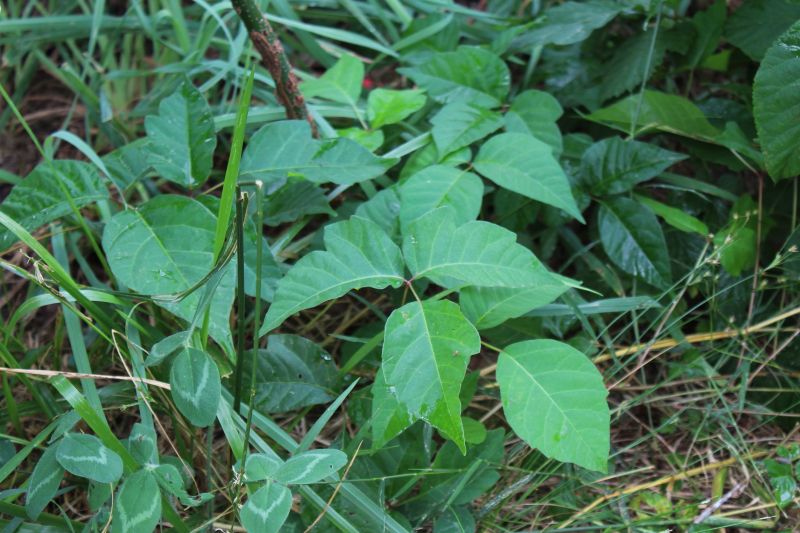
Hemlock Removal Questions
Why should Hemlock trees be removed? Hemlock trees may be removed to prevent disease spread, reduce safety hazards, or improve landscape appearance.
What signs indicate a Hemlock tree needs removal? Signs include dieback, browning needles, or visible damage that suggests decline or risk.
Is Hemlock removal suitable for any property? It is appropriate for properties where Hemlocks pose safety concerns or interfere with landscape plans.
What are common reasons for removing Hemlocks? Common reasons include pest infestation, disease, storm damage, or overgrowth affecting other plants.
Request Hemlock Removal in Philadelphia, PA
Use the quote form on this page to share the basics of your project and request more information for the type of work you need.