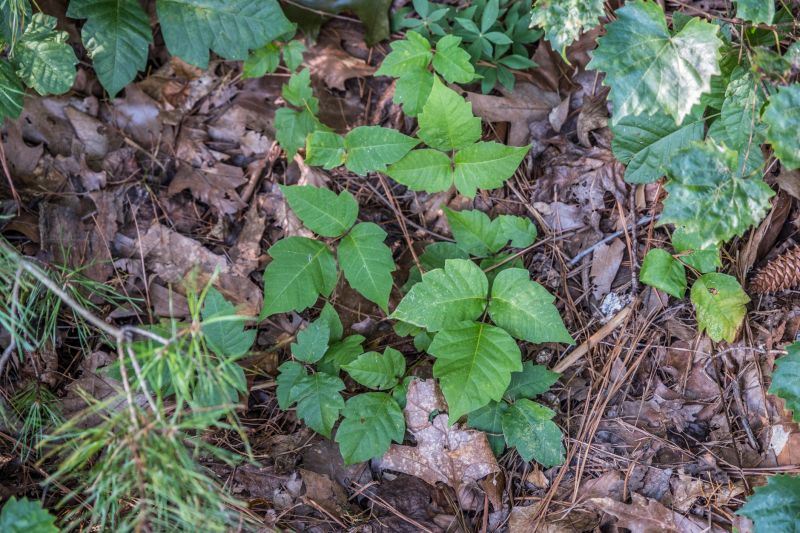
Poison Oak Removal in Burlington County, NJ
Poison oak removal services involve the careful identification and removal of poison oak plants from residential properties. This service is often requested for projects such as clearing overgrown areas, maintaining lawns and gardens, or preparing outdoor spaces for landscaping and recreational use. Property owners usually want to understand the extent of the infestation, the safety measures involved, and the best methods for effectively eliminating the plants to prevent skin irritation and health risks.
Before requesting poison oak removal, homeowners should consider the size and location of the affected areas, as well as any nearby plants or structures that could be impacted. It’s important to communicate whether the plants are in hard-to-reach spots or if there are concerns about potential exposure during removal. Proper removal techniques are essential to ensure the plants do not regrow and to minimize the risk of contact with the toxic oil that causes skin irritation.
Many property owners in Burlington County, NJ look into Poison Oak Removal for repairs, replacements, upgrades, and appearance-related improvements.
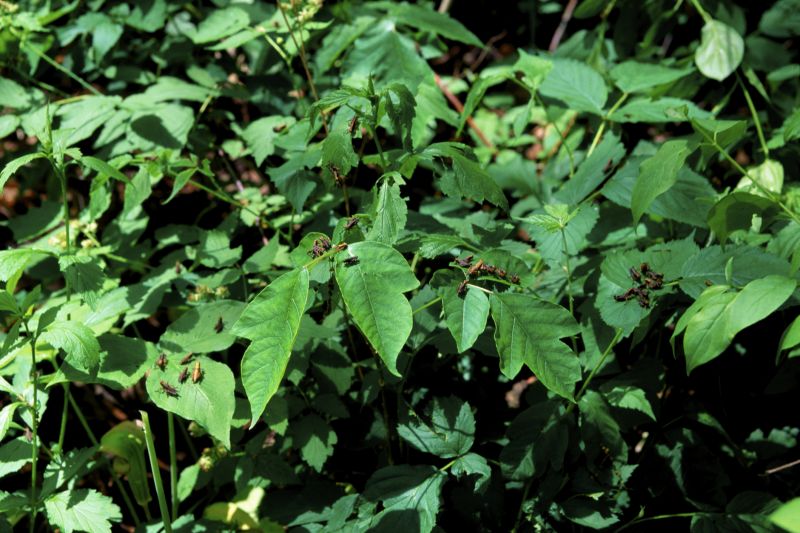
Poison Oak Removal For Safety
Removing poison oak helps prevent skin irritation and allergic reactions on residential and commercial properties.
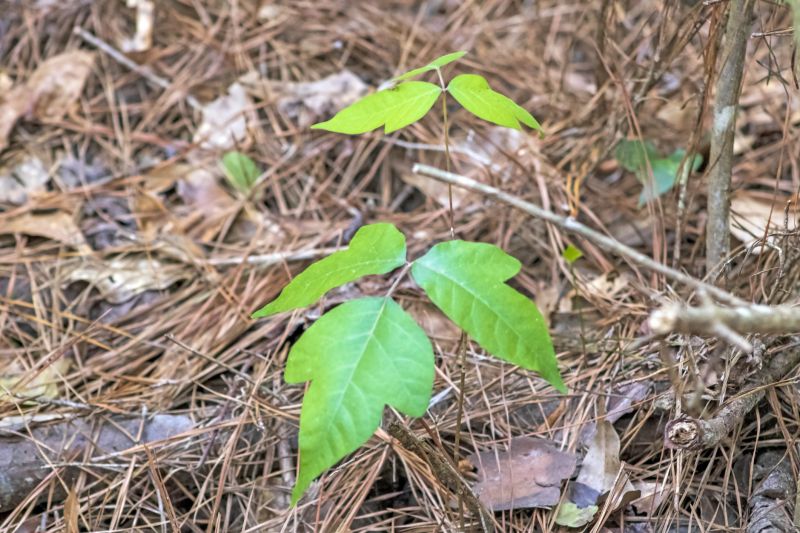
Property Maintenance And Cleanup
Clearing poison oak can improve the appearance and safety of gardens, yards, and outdoor spaces in burlington county.
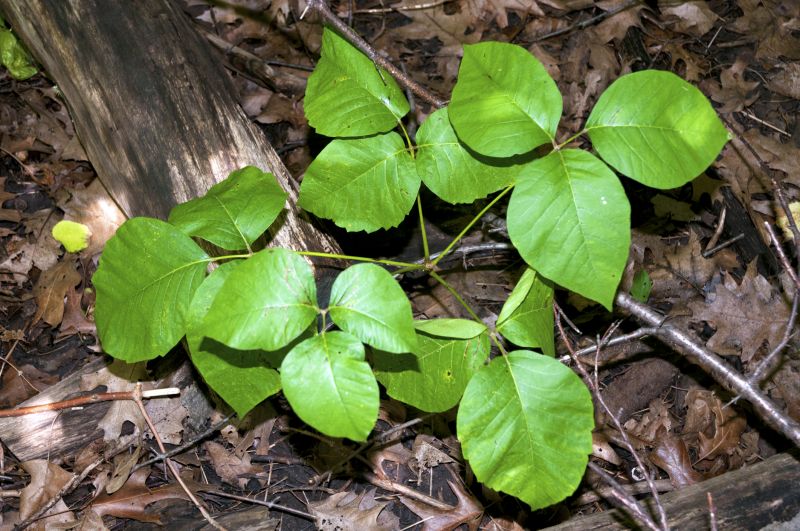
Preventative Landscape Care
Professional removal reduces the risk of regrowth and protects families and pets from exposure in outdoor areas.
Poison Oak Removal in Burlington County, NJ
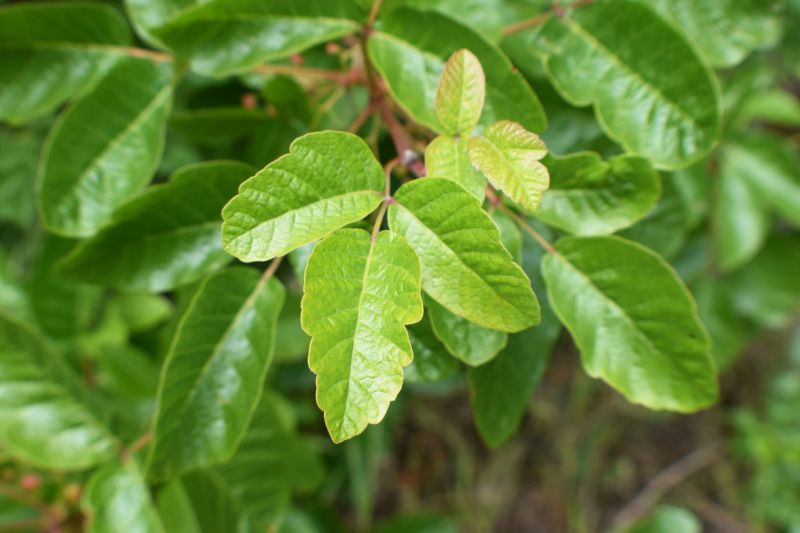
Poison oak removal services involve the careful identification and removal of poison oak plants from residential properties. This service is often requested for projects such as clearing overgrown areas, maintaining lawns and gardens, or preparing outdoor spaces for landscaping and recreational use. Property owners usually want to understand the extent of the infestation, the safety measures involved, and the best methods for effectively eliminating the plants to prevent skin irritation and health risks.
Before requesting poison oak removal, homeowners should consider the size and location of the affected areas, as well as any nearby plants or structures that could be impacted. It’s important to communicate whether the plants are in hard-to-reach spots or if there are concerns about potential exposure during removal. Proper removal techniques are essential to ensure the plants do not regrow and to minimize the risk of contact with the toxic oil that causes skin irritation.
Many property owners in Burlington County, NJ look into Poison Oak Removal for repairs, replacements, upgrades, and appearance-related improvements.
Common Poison Oak Removal Jobs
Poison Oak Removal - Safely eliminates poison oak from yards and landscapes.
Landscape Clearing - Removes invasive plants to restore natural beauty.
Property Maintenance - Keeps outdoor areas safe and free of hazardous plants.
Brush and Shrub Removal - Clears overgrown vegetation that may contain poison oak.
Yard Cleanup - Prepares outdoor spaces for safe use and enjoyment.
Vegetation Management - Controls and removes unwanted plants for a healthier landscape.
Poison Oak Removal Questions
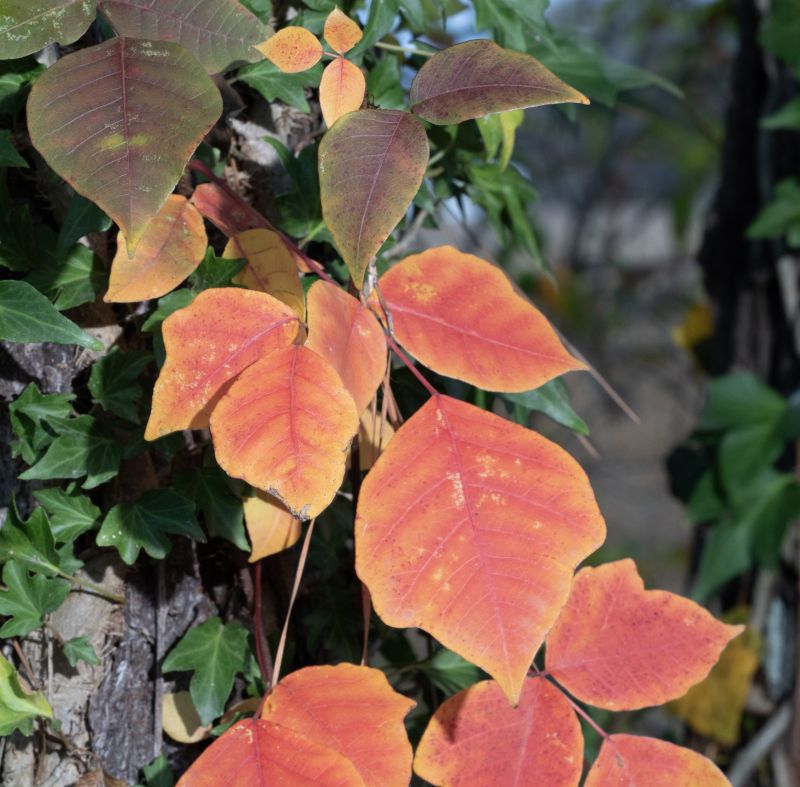
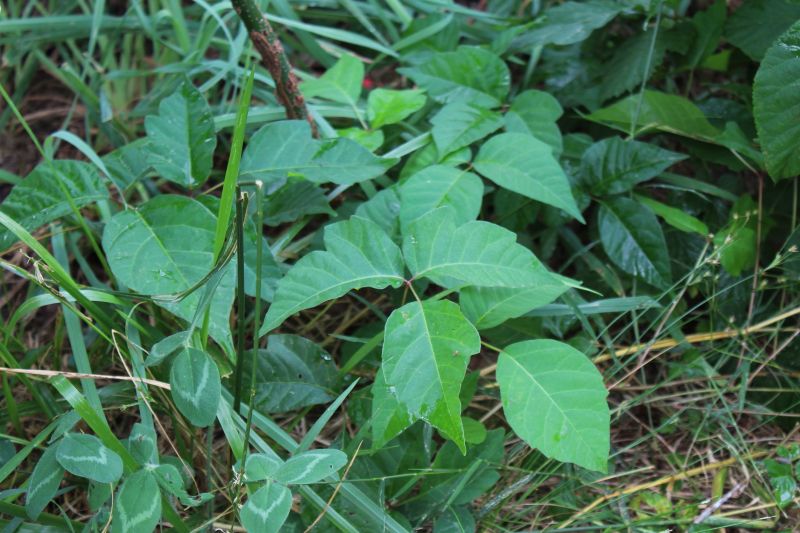
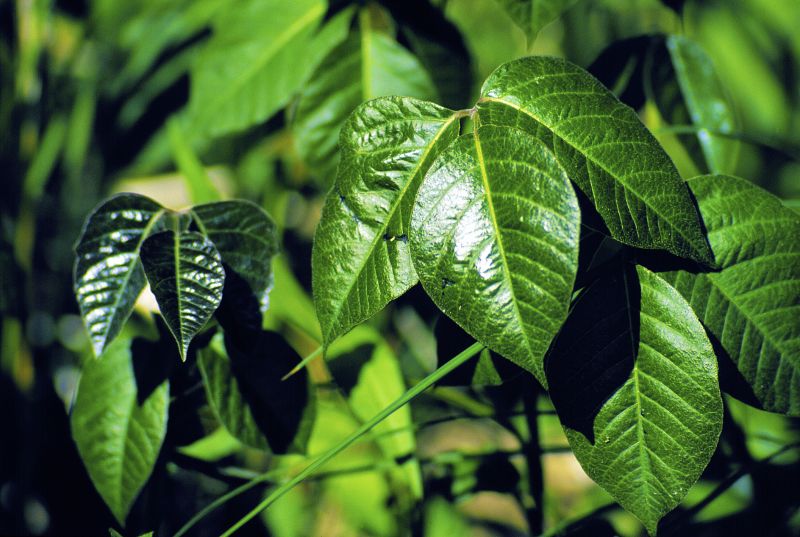
What is poison oak removal? Poison oak removal involves safely eliminating the plant from a property to prevent skin irritation and health risks.
When should poison oak be removed? Removal is recommended when poison oak is growing in areas accessible to people or pets, especially near pathways or play areas.
Does poison oak removal require special tools? Yes, removal typically involves protective gear and tools designed to carefully extract the plant without spreading its oils.
What are common projects for poison oak removal? Projects often include clearing overgrown areas, maintaining landscapes, or preparing land for new construction or gardening.
Request Poison Oak Removal in Burlington County, NJ
Use the quote form on this page to share the basics of your project and request more information for the type of work you need.